
We live in a world that has changed more in the last hundred years than in all of human history before it. Many of those changes have brought conveniences and progress like running water, refrigeration, modern medicine, and the ability to connect across continents in seconds. But alongside these blessings, another reality has quietly unfolded: a growing flood of synthetic chemicals that touch nearly every part of our daily lives.
From the pesticides sprayed on our food to the plastics that wrap it, from cleaning products to cosmetics, fragrances to furniture, we are surrounded by compounds that didn’t exist for most of human history. The average person today carries traces of hundreds of synthetic chemicals in their body — many of which have never been fully studied for long-term safety or the way they interact with each other inside our systems.
This post isn’t meant to inspire fear. In fact, fear is the very emotion that makes us freeze and feel powerless. Awareness, on the other hand, is where empowerment begins. It is with clear knowledge that we can begin to make helpful change.
The Subtle Ways Chemicals Touch Our Everyday Lives

It’s easy to think of “toxins” as something distant or dramatic, like factory smoke or contaminated water. But the truth is that many exposures come from the most ordinary places.
- In our homes: Synthetic fragrances, cleaning sprays, and air fresheners often contain volatile organic compounds (VOCs) and phthalates that can irritate the lungs, disrupt hormones, or burden the liver’s detoxification pathways.
- In our kitchens: Nonstick cookware, plastic containers, and pesticide residues can leach compounds that mimic or interfere with hormones, especially estrogen and thyroid hormones.
- In our self-care routines: Shampoos, lotions, and cosmetics can carry preservatives like parabens and formaldehyde-releasing agents, as well as synthetic dyes and “fragrance” blends — an unregulated category that can contain dozens of undisclosed ingredients (although it seems like change is coming in this area).
- In the air and water: Pollution, microplastics, and runoff from industrial and agricultural sources find their way into what we drink, breathe, and bathe in.
Each of these exposures may seem small on its own. However, their cumulative effect — what scientists sometimes call the “body burden” — can quietly influence how our systems function over time.
How Wartime Chemistry Changed Our Soil — and Our Health

The Industrial Revolution brought about extraordinary discoveries that transformed society — from transportation and communication to medicine and manufacturing. But alongside these advances came a profound shift in our relationship with chemistry and the environment. Factories began producing synthetic compounds on a massive scale, using coal and later petroleum as raw materials. What started as innovation for progress also introduced a wave of chemical byproducts and pollutants that the natural world — and our bodies — had never encountered before.
During World War I, this relationship deepened even further. Two German chemists, Fritz Haber and Carl Bosch, developed a process to pull nitrogen from the air and convert it into ammonia — a breakthrough that could be used both for agriculture and for warfare. The Haber–Bosch process made it possible to create explosives on an industrial scale when natural nitrate sources were cut off during the war.
When the fighting ended, factories that had produced ammonia for bombs suddenly had enormous surpluses of nitrogen-based chemicals. Rather than shutting down production, manufacturers redirected them toward agriculture. They discovered that these same compounds could make crops grow faster and bigger — and thus, industrial fertilizers were born.
What began as a wartime innovation quickly became the foundation of modern industrial agriculture. Yet, over time, this shift came with unintended consequences: soil depletion, chemical runoff, loss of biodiversity, and the normalization of chemical dependency in farming — effects we’re still reckoning with today.
The Chemical Landscape We Live In
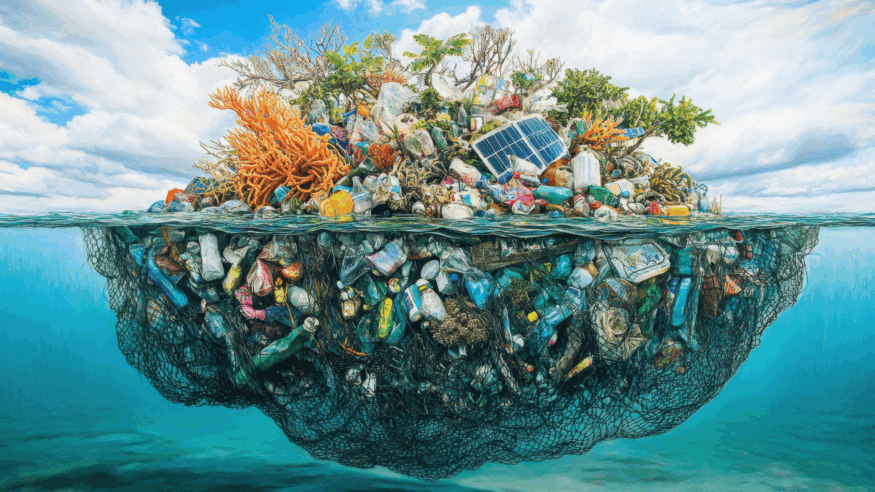
Today, more than 80,000 synthetic chemicals are in circulation — many of them never fully tested for their long-term effects on human or environmental health. These substances appear in everyday items we’ve come to rely on for convenience: plastics, preservatives, cleaning agents, flame retardants, and countless others.
In the United States, oversight of these compounds is limited, and many chemicals that have been banned or restricted in other countries continue to be used here. They enter our air, water, soil, and homes, often without full-scale safety review before reaching the public.
These exposures don’t just affect our immediate well-being; many chemicals are persistent, meaning they can remain in the body or environment for years. Some can even influence how our genes are expressed — a process known as epigenetic change, where chemical signals turn genes “on” or “off” without altering the DNA sequence itself. These changes can sometimes be passed down to future generations, creating subtle ripples in health and resilience over time.
A Few Common Culprits
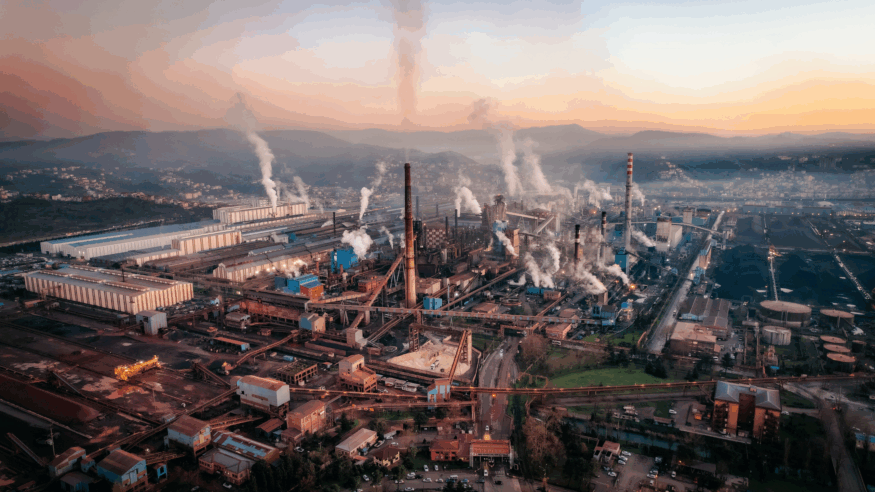
Here are a few of the most widespread environmental chemicals and their known or suspected impacts:
- Glyphosate: A widely used herbicide found in many conventional foods. It has been shown to affect soil microbes, gut flora, and the body’s ability to detoxify efficiently.
- Paraquat: A highly toxic herbicide linked to oxidative stress and mitochondrial damage; it’s banned in many countries but still used in parts of the U.S. Recent research is showing potential links between this chemical and Parkinson’s Disease.
- Rodenticides: Designed to disrupt vital systems in pests, these poisons often harm wildlife and can contaminate soil and water. Chronic, low-level exposure of anticoagulant rodenticides can subtly affect liver enzymes and clotting function. Neurotoxic rodenticides disrupt the mitochondria in brain and nerve cells, preventing them from producing enough energy (ATP).
- TCE and PCE (Trichloroethylene and Perchloroethylene): Common industrial solvents used in dry cleaning and degreasing that can linger in groundwater and indoor air, affecting liver and nervous system function.
- BPA (Bisphenol A): Found in plastics, food can linings, and receipts; known as an endocrine disruptor that can interfere with hormone balance.
- Heavy Metals (Lead, Mercury, Cadmium, Aluminum): Naturally occurring but concentrated by industry; can accumulate in tissues and disrupt nervous system, immune, and mitochondrial function.
While most people aren’t handling these chemicals directly, environmental contamination is more common than many realize. These compounds can leach into soil and groundwater, or persist in the foods we eat.
What I See in My Herbal Practice
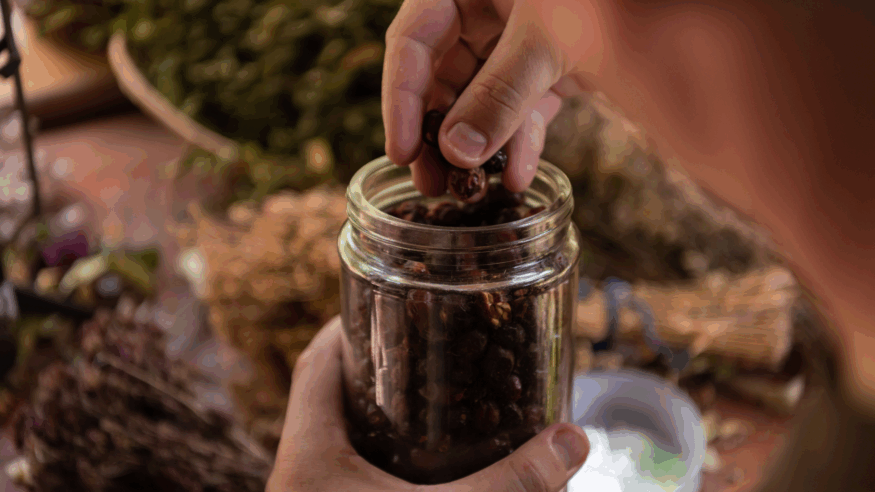
In my work as an herbalist, I meet many people whose bodies are whispering (or shouting) that they’re overwhelmed. They describe fatigue that doesn’t resolve with rest, skin that reacts to everything, migraines, hormonal irregularities, or digestive issues that seem to have no clear cause. In fact, I, myself, have experienced so many of these symptoms of body burden.
Of course, each person’s story is unique. But I often find that the liver, lymphatic system, and gut are carrying more than their share of the load. These are the organs that work tirelessly to filter, neutralize, and eliminate the byproducts of modern living. When they’re stressed, the whole body feels it.
For the body, the challenge lies in detoxifying chemicals that are designed to be potent and persistent. They place stress on the liver, kidneys, and mitochondria — the same systems already burdened by other everyday chemicals.
The good news? Our bodies are astonishingly wise. Given the right nourishment, support, and elimination of the offenders, they know how to restore balance.
Gentle Ways to Lighten the Load

I always emphasize gentle when it comes to detoxification. The goal isn’t to force or purge — it’s to support the pathways that already exist. Changing things too fast and hard can lead to overwhelming your system and may potentially do more damage. Here are some of the most foundational ways I’ve found to lighten your load and help your body restore balance:
1. Choose cleaner basics.
Start small. Swap out one household cleaner, body product, or kitchen item at a time for natural or fragrance-free alternatives. Open windows for fresh air instead of relying on synthetic air fresheners. Gradual changes reduce exposure and help your body recover without overwhelming it. Consider glass, stainless steel, and uncoated cookware to minimize plastic contact.
2. Support your liver and lymph.
The liver and lymphatic system are your body’s primary detox pathways. Herbs like dandelion (Taraxacum officinale), burdock root (Arctium lappa), and cleavers (Galium aparine) gently encourage the flow of bile and lymph, helping to move toxins out of the system. Bitter herbs like artichoke leaf or gentian support digestion, ease liver workload, and encourage nutrient assimilation. Warm baths, dry brushing, and gentle massage can further stimulate lymphatic flow.
3. Strengthen your gut barrier.
Since the gut is one of the main ways toxins enter the body, maintaining its integrity is essential. Herbs and foods like marshmallow root, calendula, chamomile, and slippery elm soothe and strengthen the digestive lining. Supporting gut microbial balance is equally important:
- Fermented foods such as kefir, sauerkraut, kimchi, and kombucha provide beneficial bacteria.
- Fiber-rich foods — beans, okra, prickly pear, zucchini, eggplant, carrots, oats, chia, psyllium husk, hollyhock, and marshmallow root — feed gut microbes, promote regular elimination, and help bind toxins for removal.
4. Include antioxidant-rich foods and herbs.
Antioxidants help counteract oxidative stress caused by environmental toxins. Foods and herbs like grapes, beets, Japanese knotweed, lemon balm, rosemary, mint, and rose hips support cellular health and reduce free radical damage, protecting the liver, nervous system, and mitochondria.
5. Move your body and sweat.
Exercise and gentle sweating help mobilize stored toxins through the skin and lymphatic system. Movement doesn’t need to be intense: yoga, walking, dancing, or sauna sessions all encourage circulation, oxygenation, and natural drainage. Sweating supports not only toxin elimination but also mood, energy, and metabolic function.
6. Rest and nourish.
Sleep is when the body does its deepest repair and detoxification work. Herbs such as tulsi (holy basil), lemon balm, and milky oats can calm the nervous system and support restorative rest. Adequate rest also allows your liver and gut to regenerate and manage daily exposures more effectively. Pair rest with nutrient-rich meals and gentle hydration to support energy and resilience.
7. Drink plenty of clean water.
Hydration is essential for kidney function and toxin elimination. A good water filter that removes chlorine, fluoride, and heavy metals can make a meaningful difference. Water also supports circulation, lymph flow, digestion, and cellular metabolism. Aim for steady intake throughout the day, and consider herbal teas like nettle or dandelion for added mineral support.
Shifting the Mindset
When people start learning about chemical exposures, they sometimes feel anxious or overwhelmed. It feels there’s too much to change. I always remind them: this isn’t about purity. It’s about participation.
We can’t live outside of the modern world, but we can learn to live more consciously within it. Each mindful swap, each herbal infusion, each moment of choosing nature over synthetic convenience sends a message — both to our bodies and to the broader systems that shape our world. And that’s where empowerment lies.
When you begin to feel the difference — the clearer energy, the steadier mood, the deeper connection to what you put in and on your body — those small steps stop feeling like sacrifice. They start to feel like freedom and support.
The Role of Herbalism in a Modern World

I say this so frequently: herbalism is not just about plants; it’s about relationship. Relationship with the Earth, with our bodies, and with the rhythms that sustain life. Plants remind us that resilience doesn’t come from doing more, but from living in harmony with the cycles of nature.
When we choose herbs to support detoxification, it’s never just about “removing toxins.” It’s about helping the body remember how to breathe, flow, and respond…just as the natural world does.
The roots, leaves, and flowers we work with are living teachers of balance. Nettle strengthens and replenishes. Tulsi teaches adaptability. Rose opens the heart while reminding us to protect what’s sacred. Milk thistle shields and restores the liver — our great internal filter.
Through these relationships, we begin to rebuild a kind of internal ecology — one that mirrors the outer ecology we’re all a part of.
A More Conscious Future

The truth is, change doesn’t only happen through regulation or innovation — it begins at the individual and community level. Every time someone chooses to refill a glass jar instead of buying plastic, make herbal tea instead of reaching for caffeine or sugar, or question what’s in their lotion or laundry soap, they’re helping to shift culture in a quieter but powerful way.
At the same time, we must recognize that real, lasting change requires systemic action: stronger chemical regulations, safer manufacturing practices, and corporate accountability. Individuals can make a difference, but the burden should never fall entirely on personal choices. Policies, industry standards, and collective advocacy are essential to reduce chemical exposures on a population-wide scale.
We may not be able to control every exposure, but we can tend the terrain within us. We can choose what we invite into our homes, what we put on our skin, what we breathe in, and what we support with our dollars.
As we do that — little by little — we lighten not only our own load, but the planet’s too. Because ultimately, herbalism and low-tox living are about the same thing: returning to right relationship with the world around us.
And that begins, always, with awareness, curiosity, and care.
Disclaimer: The information in this post is for educational purposes only and is meant to inspire awareness and thoughtful choices. It is not a substitute for professional medical advice, diagnosis, or treatment. Please consult a qualified healthcare provider before making any changes to your health, diet, or herbal practices.
🌱 Are you interested in more personalized care? Find our more about how you can work with me one to one, here.
References:
Synthetic Chemicals & Environmental Health
- Chemical Exposures, Health, and Environmental Justice
Johnston J. Environmental Health Perspectives, 2020.
PMC - Health Effects Linked with Trichloroethylene (TCE) and Tetrachloroethylene (PCE)
Agency for Toxic Substances and Disease Registry (ATSDR), 2024.
ATSDR - Toxic Effects of Glyphosate on the Nervous System
Costas-Ferreira C. Frontiers in Toxicology, 2022.
PMC - Health Risks of Glyphosate Herbicide
WebMD, 2024.
WebMD - Paraquat Poisoning: Symptoms & Treatment
Cleveland Clinic, 2024.
Cleveland Clinic - Paraquat and Parkinson’s disease: a systematic review protocol according to the OHAT approach for hazard identification
Syst Rev. 2017 May 15;6(1):98. doi: 10.1186/s13643-017-0491-x. PMID: 28506248; PMCID: PMC5433017.
PubMed - Human Health Effects of Tetrachloroethylene
Guyton KZ. Environmental Health Perspectives, 2014.
PMC - What is BPA? Should I be worried about it?
Mayo Clinic, 2025.
Mayo Clinic - Heavy Metals: Toxicity and Human Health Effects
Jomova K. Environmental Toxicology and Pharmacology, 2025.
PubMed - EPA Proposes Major Changes to Chemical Risk Evaluations
JD Supra, 2025.
PubMed
Rodenticides & Human Health
- Rodenticide Toxicity
StatPearls, 2024.
ATSDR - What Happens if a Human Eats Rat Poison?
Verywell Health, 2007.
Verywell Health - Rodenticide Poisoning
PubMed Central, 2024.
PubMed
Systemic Change & Chemical Regulation
- Updates to New Chemicals Regulations under the Toxic Substances Control Act (TSCA)
Environmental Protection Agency (EPA), 2024.
EPA - Toxic Chemical Regulations Weakened Despite White House Focus on Health Risks
Environmental Health News, 2024.
WebMD - Addressing Systemic Problems with Exposure Assessments
PubMed Central, 2024.
motleyrice.com