If you’ve ever heard the term clinical herbalist and wondered, “That sounds interesting, but… what do they actually do?” — you’re not alone. Herbalism is gaining attention, yet many people still aren’t quite sure what it means or how an herbalist fits into the modern wellness landscape.
When I share my profession, I’m often met with a curious pause. People have heard of health coaches, nutritionists, and functional medicine practitioners — but herbalists? Not always. And certainly not the kind who work clinically, with in-depth training, holistic assessment tools, and a commitment to understanding the whole person, not just their symptoms.
But herbalism is one of the oldest wellness traditions in the world. A clinical herbalist brings together ancient plant wisdom and modern physiology, supporting people in deeply individualized ways that many conventional models simply can’t.
If you’ve ever felt overlooked, rushed, or pieced apart in your healthcare journey… herbalism offers something different.
So, What Exactly Is a Clinical Herbalist?
A clinical herbalist is someone trained to work with herbs in a way that supports the whole person — not just a symptom, lab marker, or diagnosis. It blends science with tradition, intuition with physiology, and nature with nourishment.
As a Vitalist herbalist, I view the body as inherently wise and always moving toward balance. My role isn’t to fix you, but to listen, ask the right questions, and help you reconnect with the rhythms and resources your body already knows.
As an herbalist following a Wise Woman approach, I recognize that wellness isn’t linear and healing doesn’t follow a protocol. It’s relational. It’s personal. It’s nourished through story, lifestyle, food, emotions, and environment — not just herbs.
A clinical herbalist:
- studies anatomy, physiology, and how herbs interact with body systems
- understands the energetics of plants and people
- knows how to combine herbs in ways that complement each other
- considers your whole story: past, present, patterns, environment, stressors
- looks at both the physical and emotional layers of wellness
- honors modern research and traditional wisdom
- offers nutritional and lifestyle support through the lens of holism
When we work together, our work goes far beyond picking herbs for a set of symptoms. It’s about understanding you as an ecosystem.
You may think of it like this:
✨ We’re wellness detectives. A clinical herbalist looks at your health history, lifestyle, and unique needs to uncover the root causes of imbalance, rather than just treating symptoms.
🍃 We’re plant matchmakers. We carefully select herbs that align with your body’s specific needs, ensuring they’re safe, effective, and tailored to your goals.
💡 We’re your guides to holistic care. Beyond herbs, we help you explore how nutrition, lifestyle adjustments, and other natural approaches can support your overall well-being.
🌱 We reconnect you with nature. Through herbal support, you’ll rediscover the restorative power of plants and how they can help nurture your body, mind, and spirit.
Think of us as partners on your wellness journey—offering personalized support that empowers you to take control of your health, naturally.
How Herbalists Differ from Health Coaches & Functional Practitioners?
Health coaches and functional medicine practitioners both play meaningful roles in the wellness world, but their approach and training differ from those of a clinical herbalist. Health coaches focus on behavior change, motivation, and habit-building; functional practitioners work more within a biomedical model, using labs and supplement protocols. A clinical herbalist, however, helps you understand the deeper patterns behind your symptoms — the physical, emotional, energetic, and lifestyle roots that shape your overall wellbeing.
While health coaches may help you identify habits you want to shift, and functional practitioners may run labs to pinpoint dysfunction, herbalists look at the entire landscape of your life and body. We explore digestion, sleep, stress patterns, hormonal rhythms, emotional cycles, environmental influences, and constitutional tendencies. Instead of isolating one system, we look at how everything is interconnected. Our goal is to understand what your body is communicating beneath the surface.
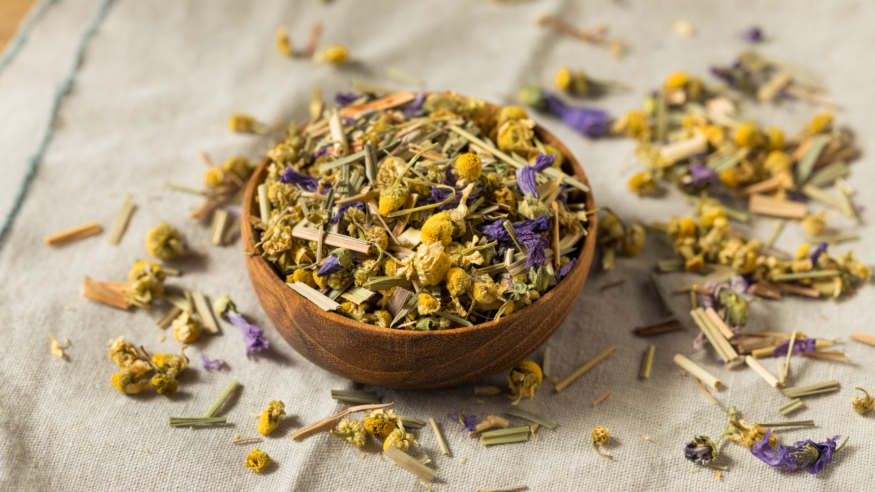
One of the clearest distinctions is how we use plants. Clinical herbalists are trained to work with whole herbs — infusions, tinctures, powders, syrups, and blends that preserve the plant’s full spectrum of constituents. Functional practitioners often rely on concentrated supplements, isolated compounds, or higher-dose nutraceuticals. Both have value, but they come from different philosophies. Herbalists value the complexity of whole plants and how they work with the body’s natural rhythms, while functional medicine tends to mirror a more modern medical model: targeted, protocol-driven, and and perhaps supplement-heavy.
The experience also feels different. Functional medicine appointments often prioritize lab data and structured protocols; health coaching sessions often center accountability and habit-building. A clinical herbalist typically spends 90 minutes or more listening deeply to your story — your history, patterns, stressors, and cycles. This slower pace isn’t about gathering more data; it’s about understanding you as a whole ecosystem. From there, we co-create a plan grounded in herbs, nourishment, lifestyle, pleasure, rest, and the Roots of Wellness.
There is beautiful overlap among all three fields, and some of us work within several of these models at once. Many people also choose to work with an herbalist alongside a functional practitioner or coach. But you might choose a clinical herbalist when you want a more earth-centered, whole-person approach; when you resonate with working with whole plants rather than heavy supplement protocols; or when you’re craving support that feels relational, intuitive, and grounded in the body’s own intelligence as well as the intelligence of the Earth and her rhythms. Herbalists don’t replace medical care or functional testing — we offer a different lens. One that may come across as more gentle, more holistic, and more based in your terrain and the terrain in which your wellness grows from.
Why Work With Me Specifically?
My work is rooted in the Vitalist and Wise Woman traditions of herbalism. This means I view your body as intelligent and always moving toward balance, even when symptoms feel confusing or overwhelming. I don’t see illness as something to fight against, but as information — a signal that something in the system is asking for attention, nourishment, or support.
Rather than focusing solely on symptoms, we work with the 8 Roots of Wellness — herbs, nutrition, rest, pleasure, lifestyle rhythms, movement, connection, and meaning. Herbs are powerful allies, but they work best when woven into a broader framework that supports your whole life, not just your biochemistry.
I specialize in herbal support for digestive well-being, immune system balance, and female reproductive and hormonal harmony. These systems are deeply interconnected, and when one is out of balance, the others often follow. My approach is slow, thoughtful, and personalized. It is centered on whole herbs, whole foods, and sustainable shifts that fit into real life and at a healthy pace.
When we work together, my role isn’t to “fix” you. It’s to listen deeply, reflect patterns back to you, and help you orient yourself on your path of wellness. We’ll talk about what may be getting in the way of balance, explore your body’s natural capacity for harmony, and co-create a plan that feels supportive rather than overwhelming.
If you’re ready to dig deep, strengthen your roots, and build resilience from the ground up, I would be honored to walk alongside you. Herbalism isn’t about quick fixes — it’s about relationship, nourishment, and remembering how to listen to the wisdom already living within you.
For more information or to book your support with me, click here.
If you’re feeling called toward a deeper, more rooted approach to wellness—one that honors your whole self and works in partnership with your body—I invite you to explore what herbalism can offer. Whether you’re navigating chronic patterns, seeking greater vitality, or simply curious about herb-based support, working with a clinical herbalist can open a new way of relating to your health. If this approach resonates, I’d love to connect and see if we’re a good fit to work together.